
Microbiome & Cancer: From Confounding Variable to Therapeutic Lever
Published on: Jun 1st, 2026
How microbial ecosystems are reshaping precision oncology — from biology to bedside
Over the past decade, the human microbiome has moved from the margins of cancer research to the center of precision oncology. Once considered “background noise,” it is now recognized as a powerful modulator of tumor biology1, treatment response2,3, and toxicity — and an emerging therapeutic target in its own right.
The oncology field is entering a microbiome‑aware era—and the implications may be transformative.
This blogpost guide distills the science (Sections 1), the impact on current therapies (Section 2), the therapeutic strategies currently in development (Section 3), the key challenges (Section 4), the regulatory and development implications (Section 5), future perspectives (Section 6), and a concise conclusion (Section 7).
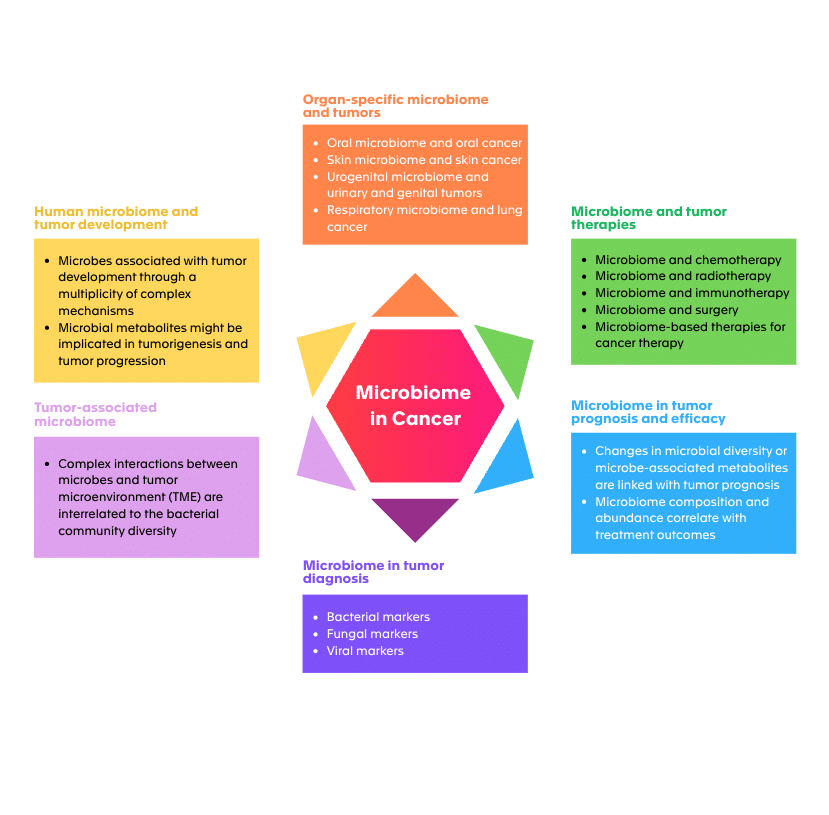
1.1 Biological basis: how microbiome influences cancer?(Immune system modulation)
The immune system is constantly talking to the microbiome. Microbial molecules (e.g., LPS, flagellin) and metabolites continuously engage host pattern‑recognition receptors [Toll-like receptors (TLRs)/NOD-like receptors (NLRs)], shaping cytokine networks, dendritic cell maturation, macrophage polarization, and natural killer (NK)/T‑cell activity1 — all central to anti‑tumor immunity.
Notably, Fusobacterium nucleatum (Bbacteria commensal to the human oral cavity,. Characterized as pro inflammatory in colon cancer, identified in bacterial vaginosis) inhibits NK and T‑cell cytotoxicity by binding the inhibitory receptor T-cell immunoreceptor with Ig and immunoreceptor tyrosine-based inhibitory motif (ITIM) domain (TIGIT), providing a direct path to tumor immune escape5.
1.2 Immune tolerance, inflammation, and tumor escape
Dysbiosis can push the immune system toward chronic inflammation [Interleukin-6 (IL‑6)/ Interleukin‑17 (IL‑17)/ Tumor necrosis factor alpha (TNFα) axes]6, DNA damage, and pro‑tumor signaling, or toward tolerance via regulatory T cells (Tregs) and tolerogenic dendritic cells (DCs) — both favoring tumor progression. (Figure 1).
Within tumors, microbes (e.g., F. nucleatum) cultivate immunosuppressive microenvironments and correlate with poorer outcomes in cancer, illustrating microbe‑enabled immune evasion7.
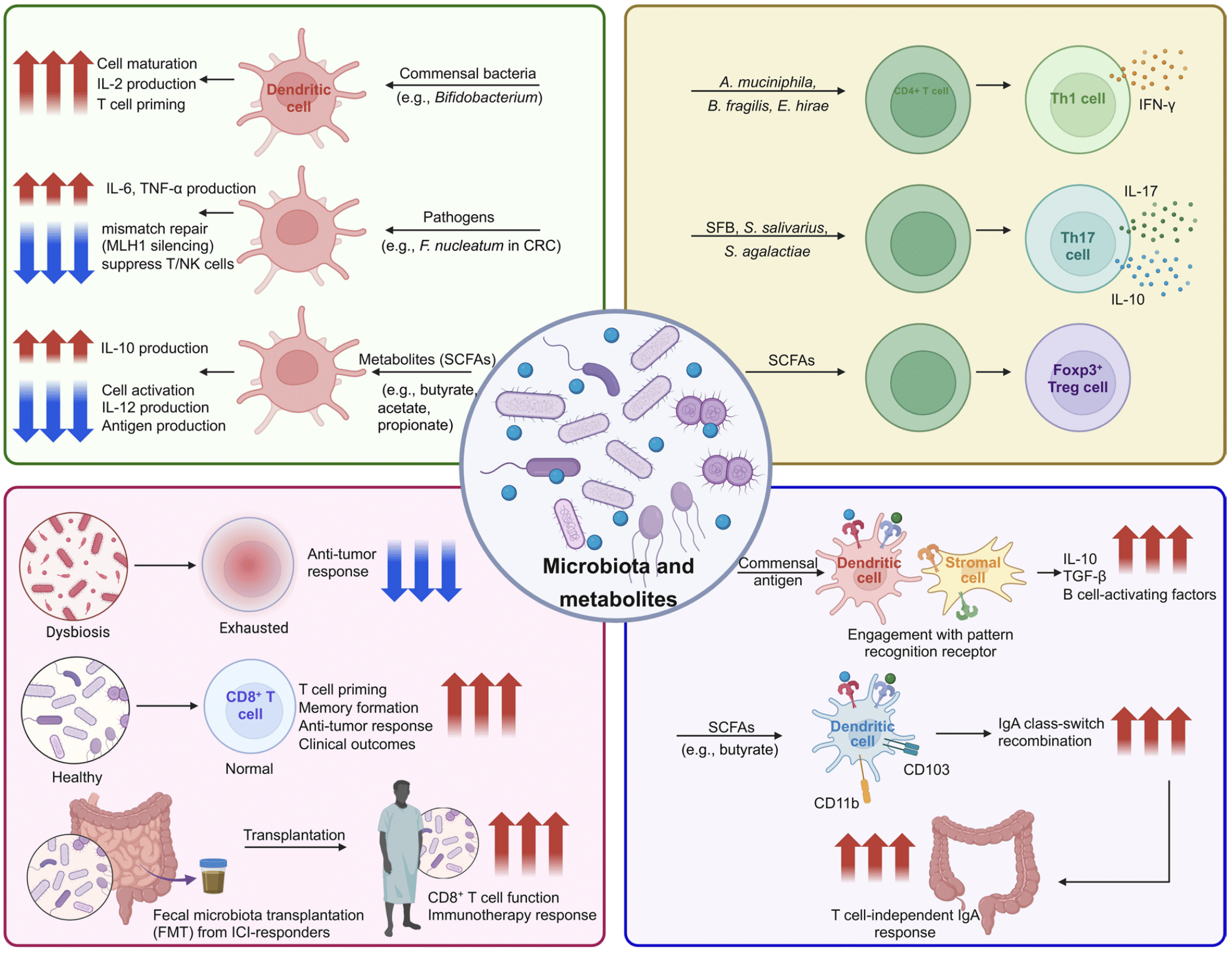
Figure 1.Microbiota-immune interactions in cancer immunity (extracted from Chen et al., 20267)
1.3 Metabolic & signaling pathways
Short‑chain fatty acids (SCFAs) (e.g., butyrate, acetate, propionate) regulate epithelial barrier function and immune differentiation (e.g., Tregs)8, while microbial tryptophan and bile‑acid metabolites modulate Aryl hydrocarbon receptor (AhR) / Farnesol X receptor (FXR) and other signaling nodes relevant to tumor biology and therapy response. Diet plays a major role here9.
1.4 Microbiome–tumor interactions
Certain taxa consistently track with pro‑ or anti‑tumor states: F. nucleatum (pro‑tumor, immune suppression) vs. Akkermansia/Bifidobacterium [often pro‑response with immune checkpoint inhibitors (ICIs)]10.
Effects occur locally11 [intratumoral microbes modulating the tumor microenvironment (TME)] and systemically10 (circulating metabolites and immune education influencing distant sites).
The microbiome is no longer just a digestive companion — it’s an active participant in cancer biology. By shaping immunity, metabolism, and the tumor environment, our microbial partners can either help protect us from cancer or open the door to tumor growth (Figure 2). Understanding these interactions opens exciting possibilities for cancer prevention and treatment: dietary strategies, probiotics, microbial metabolites, live biotherapeutics products interacting with immune checkpoint inhibitors (i.e., Microbiotica®12 product, MB097, developed as co-therapy with ICI to improve long-term survival in melanoma) or fecal microbiota transplantation are now being explored as tools to support better outcomes [(e.g., Kanvas Biosciences®13 product, KAN-001, in non-small cell lung cancer (NSCLC)]).
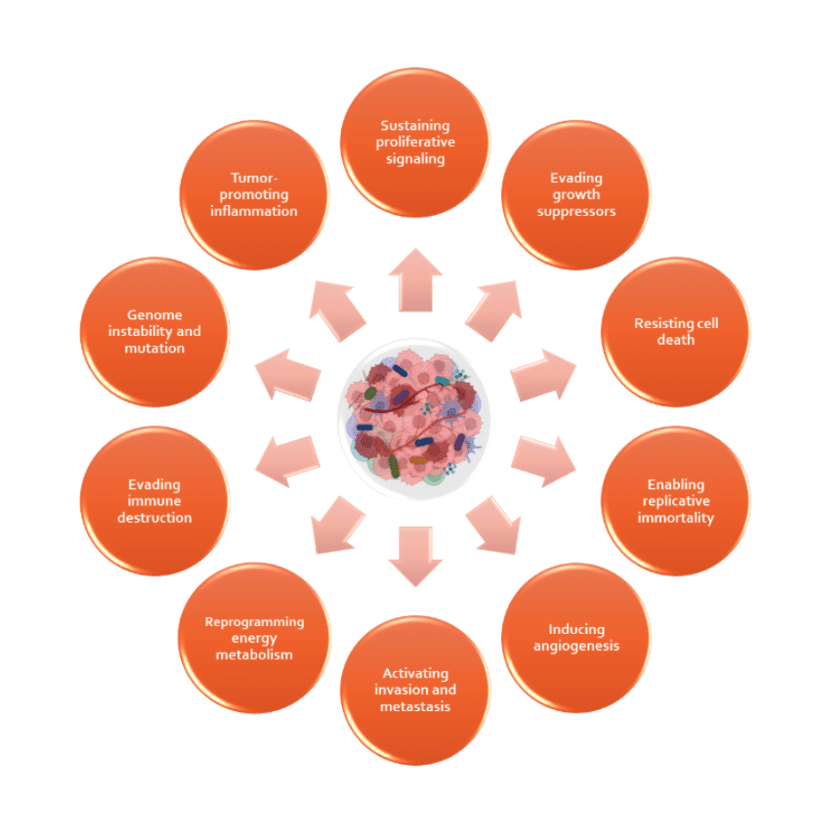
Figure 2. Relationship between intratumoral microbiota and the ten hallmarks of cancer1(modified from Wu et al., 2026714)
2. How the microbiome shapes current oncology therapies
2.1 Immuno-oncology: when the microbiome helps (or hinders) immunotherapy
Predictive response to checkpoint inhibitors: Microbial diversity and specific taxa (e.g., Akkermansia, Bifidobacterium, Ruminococcaceae, selected Bacteroides) are associated with better ICI outcomes across multiple cancers15. These microbes help activate T cells, shape anti‑tumor immunity, and strengthen overall immune tone16.
Antibiotics & dysbiosis: Broad‑spectrum antibiotics around ICI initiation consistently correlate with lower response rates and survival; restoring eubiosis [(e.g., via fecal microbiota transplant (FMT)] can salvage responses in some refractory patients12.
2.2 Chemotherapy & radiotherapy: microbiome roles beyond immunity
The microbiome can metabolize anticancer drugs, altering activation/inactivation and side‑effect profiles [(e.g., cyclophosphamide, 5-fluoro-uracile (5‑FU), irinotecan])17, and it shapes DNA‑repair and immune crosstalk relevant to radio‑/chemo‑sensitivity18 (Figure 3Figure 2).
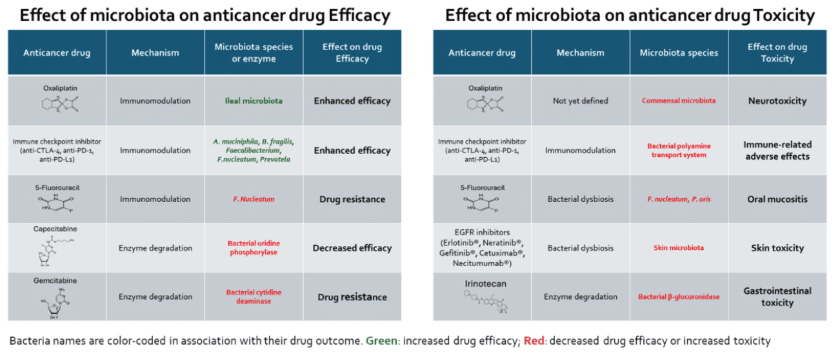
Figure 3. Effect of microbiota on efficacy or toxicity of anticancer agents (Modified from Huang et al, 202216)
Chemotherapy and radiotherapy often cause gut inflammation, mucosal injury, and shifts in microbial composition. Therapy‑induced dysbiosis increases GI toxicity and mucositis; conversely, certain commensals (e.g., Lactobacillus spp.) reduce radiation injury, opening avenues to mitigate toxicity19.
Microbiome‑based interventions (probiotics, prebiotics, FMT) are now being tested to reduce these toxicities and enhance treatment response (Ssection 3).
2.3 Microbiome as a tool for patient stratification
Microbiome profiles are emerging as biomarkers to predict response, survival, and toxicity20 – and, in some tumors, intratumoral microbial signatures add independent prognostic value beyond TNM/MSI classification21.Of note , which TNM classification is based on primary tumor propagation (T), lymph node (N) invasion, and potential metastasis (M), with or without microsatellite instability (MSI).
In other words, the microbiome is emerging not just as a modifier of treatment response but as a guide for tailoring cancer therapy to the individual. The microbiome is quickly becoming one of the most influential – — and modifiable – — factors in modern oncology. Whether by predicting who will respond to immunotherapy, shaping chemotherapy toxicity, or offering new biomarkers for patient selection, the microbiome is pushing cancer care toward a more personalized future.
3. Therapeutic strategies focusing the microbiome
3.1 Microbiome-based therapeutic
Live Biotherapeutic Products (LBPs) deliver defined live strains to tune immunity and metabolism; first‑generation clinical efforts aim to enhance ICI efficacy and reduce toxicity22 (e.g., Microbiotica® MB097 product, Biomica Ltd23 product, BMC128, with nivolumab® in NSCLC).
GvHD occurs after allogeneic transplant, a key therapy for blood cancers, and is closely linked to the graft‑versus‑leukemia effect. Initiatives like Maat Pharma’s product (Maat013)24 may illustrate also the indirect benefit of microbiome-related product on anti-tumor approaches
Defined consortia (rational mixes) 12 and next‑generation probiotics25 (e.g., Akkermansia, Bifidobacterium, Blautia) are engineered for precision functions (barrier support, SCFA delivery, T‑cell priming)20. Exeliom single strain product (EXL01, F. prausnitzii) is actually tested as adjuvant therapy in Phase 2 clinical trials in gastric cancer, NSCLC, renal cell and hepatocellular carcinoma.26
Engineered bacterial strains to disrupt the tumor microenvironment, enabling immunotherapy approach for patients with immune-excluded tumors (Biomica23 and Neobe Therapeutics27 partnership).
3.2 Microbiome modulation approaches
Fecal microbiota transplant (FMT) (i.e., transferring a “healthy” microbiome into a patient) has shown proof‑of‑concept in restoring immunotherapy responsiveness in small trials12; diet, prebiotics, and conventional probiotics offer low‑risk levers to enrich short-chain fatty acids (SCFA)‑producing commensals17.
Microbiome-related products may also provide benefits in indirect approaches to the care of cancer patients. Maat Pharma’s product, Xervyteg® 28, is a microbiome ecosystem therapy for the treatment of acute Graft-versus-Host Disease (GvHD), which occurs after allogeneic transplant, a key therapy for blood cancers.
Targeted antimicrobials & phages aim to remove pathobionts without collapsing diversity, an approach under early development but conceptually aligned with preserving ICI efficacy29. To illustrate this approach, SNIPR Biome product, SNIPR001, actually currently tested in a phase 1b clinical trial (study ID: NCT06938867)30.
3.3 Combination strategies: integrating microbiome therapy into oncology
Microbiome interventions are being paired with ICIs/Chimeric antigen receptors T-cells (CAR‑T)31 as adjuvants or co‑therapies32 to enhance T‑cell activity and overcome resistance — a direction repeatedly highlighted at major oncology meetings.
3.4 Microbiome-based diagnostic signature
Alterations in the human microbiome are increasingly recognized as contributors to cancer development and progression, influencing inflammation, immune responses, and therapeutic efficacy.
These insights have accelerated efforts to develop microbiome‑based in vitro diagnostics (IVDs) capable of detecting cancer‑associated microbial signatures with growing analytical precision.33
As the field advances, microbiome‑informed companion diagnostics (CDx) are emergingemerge as promising tools to predict treatment response and guide personalized oncology interventions34.
As biomarkers improve and randomized trials expand, microbiome‑targeted strategies are poised to become a core component of precision oncology23.
4. The key challenges ahead: complexity, variability, and unmet needs
High inter‑patient variability in composition and function complicates generalization and treatment standardization12.
There is no universally accepted definition of a “healthy” microbiome, and beneficial taxa can be context‑ and cancer‑type‑specific35.
Reproducibility and robustness are hampered by variability in sampling, sequencing, and bioinformatics, with added contamination risks in low‑biomass tumor samples36.
Conventional animal models have limited translational power for human microbiome – immune, - tumor dynamics37, motivating New Approach Methodologies (NAMs) (organoids, organ‑on‑chip, Microphysiological systems (MPSs), computational models).
NAMs aim to improve reproducibility and bridge the translational divide between preclinical findings and real‑world cancer patients. The microbiome may be one of the most promising frontiers in oncology, but its complexity is also its biggest obstacle. Until we solve issues like inter‑patient variability, lack of standardization, and model limitations, large‑scale clinical adoption will remain slow. That said, momentum is growing quickly. Advances in machine learning, multi‑omics, and rational microbial engineering are already helping researchers transform the microbiome from a confounding variable into a powerful therapeutic lever. Metagenomics, antimicrobial resistance (AMR) detection, microbes ecology and genomic editing implement innovations in biomedical approaches (Figure 3).
5. Regulatory & Development considerations: tuning science into products
Microbiome therapeutics don’t fit neatly into traditional categories. Are they drugs? Are they biologics? Are they something entirely new?
Product classification spans drug/biologic/LBP; many programs become combined products when codeveloped with ICIs or chemo, demanding coordinated CMC, nonclinical, and clinical strategies38.
Nonclinical strategy39 increasingly leans on NAMs to address the limitations of murine models and to study human‑relevant mechanisms and safety40.
Clinical development41 must account for baseline microbiome profiling, diet/antibiotic controls, safety (infection, stability, long‑term colonization)42, and the current status of microbiome endpoints (promising but not yet validated for approvals).
Growing biomarker strategies that integrate microbial signatures with genomic and immunologic features are paving the path toward regulatory acceptance24 and, in selected settings, accelerated pathways31.
There is strong regulatory incentive to support microbiome‑based therapies because they address clear unmet needs – — especially in immunotherapy‑resistant cancers. The field could benefit from accelerated pathways, similar to those used for cell therapies or rare‑disease biologics, especially when interventions demonstrate either ability to restore treatment responsiveness, or potential to reduce toxicity, or strong mechanistic support. In addition, multi‑omics evidence is likely to fuel regulatory comfort and help push these therapies toward faster approval.
6. Perspectives: Where is microbiome-informed oncology approvedheaded next?
Personalized microbiome‑informed oncology is within reach: treatment plans that consider tumor genetics and a patient’s microbial ecology to maximize response and minimize toxicity24.
Multi‑omics, + Artificial intelligence / Machine learning (AI/ML), + NAMs will drive discovery and translation – — fusing genomic, immune, metabolic, and microbial signals into actionable clinical tools12.
Regulatory clarity43,44,45 is improving as LBPs and microbial biomarkers mature, enabling clearer development paths and combination‑product strategies.
Expanded NAMs will make preclinical evaluation more human‑relevant and predictive29, closing the gap between bench and bedside46,47.
The integration of microbiome science into oncology is no longer a distant vision — it is happening now. With emerging biomarkers, engineered microbial therapeutics, multi‑omics stratification tools, and next‑generation preclinical models, cancer care is poised for a microbiome‑driven transformation.
The next decade will be defined by:
- More precise, personalized interventions
- Smarter trial designs using microbiome readouts
- Regulatory frameworks continuously maturing driven by ongoing dialogue between different stakeholders of the filed (regulators, industry, researchers)
- AI‑enabled insights that decode complex host – microbe interactions
Above all, the field is moving toward a future where cancer treatment is guided not just by the tumor clinicians view, but by the microbial ecosystems that shape the body’s ability to fight it.
7. Conclusion: from modifier to therapeutic lever
We now appreciate the microbiome not just as a modifier of therapy, but as an actionable lever to improve outcomes across immunotherapy, chemotherapy, and radiotherapy. Success, however, will require tight integration of biology (mechanisms & NAMs), clinical strategy (smart trial design & endpoints), and regulation (clear classifications & validated biomarkers).
Oncology is in position to be the first field where microbiome‑based precision medicine is fully realized – with engineered microbial therapeutics, diet‑microbiome interventions, targeted antimicrobials, and predictive microbial biomarkers guiding who gets what, and when.
BLOG POST BY



Questions? Get the answer by our expert team
No two product developments are the same, talk to our experts about your development challenges and we will provide your actional recommendations.